How well do you work with Codex?
Answer 15 questions about framing tasks, using context and tools, controlling risk, and reviewing results.

Good outcomes take more than a good prompt
The assessment follows a task from the first request to a result you can trust, use, and share.
Task Framing
Turn an idea into a clear outcome with useful boundaries and success criteria.
Choose an appropriate way to work and make the next action unambiguous.
Context & Sources
Provide the information, references, and constraints that should shape the result.
Separate authoritative sources from assumptions and keep changing context current.
Tools & Execution
Use the right connected tools and workflows to move from an answer to an outcome.
Coordinate documents, data, presentations, apps, websites, and lightweight tools.
Safety & Control
Match access, approvals, and external actions to the real level of risk.
Protect sensitive information, confirm targets, and keep consequential decisions with people.
Review & Iteration
Check the work, respond to evidence, and improve the result before delivery.
Verify claims and calculations, resolve gaps, and make feedback part of the workflow.
Try one question
Choose the strongest next step, then review the reasoning behind it.
A practical path from a request to a trusted result
Your level reflects the habits you can apply consistently across tasks. It is not a claim about speed, job title, or seniority.
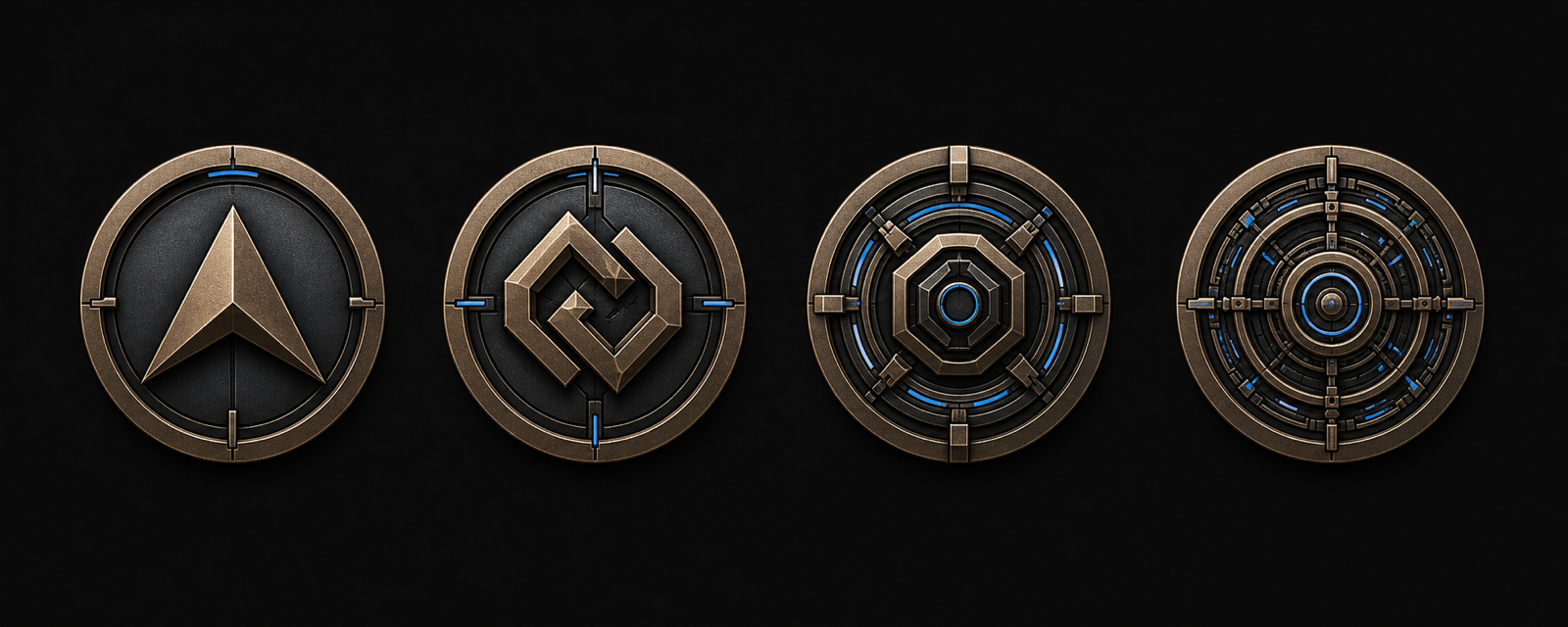
Starter
You can describe a focused task and inspect a straightforward result.
- States the desired outcome
- Shares the most relevant information
- Reviews the result before using it
Practiced
You can guide Codex with useful context and choose checks that fit the task.
- Adds constraints and acceptance criteria
- Distinguishes sources from assumptions
- Uses focused verification
Advanced
You can delegate multi-step work while controlling risk and feedback loops.
- Scopes tools and permissions
- Breaks work into reviewable stages
- Responds to evidence and feedback
Expert
You can design repeatable Codex workflows that improve how a team turns ideas into outcomes.
- Builds clear working conventions
- Matches verification depth to risk
- Keeps final accountability with people
See where Codex can strengthen your work
The assessment connects reusable working habits to the kinds of outcomes people create every day.
Research & reports
Turn scattered information into sourced research, clear summaries, and reports that are ready for responsible review.
Data & presentations
Analyze data, check calculations, and shape the findings into useful spreadsheets, charts, and presentations.
Cross-tool execution
Coordinate connected apps and repeatable workflows, including creating websites and lightweight tools when the task calls for them.
Questions before you begin
What the assessment covers, how it works, and what the result means.
What does the test cover?
It covers task framing, context and sources, tools and execution, safety and control, and review and iteration. The questions focus on reusable judgment rather than specialist trivia.
What is the question format?
Each run draws 15 questions from a 75-question bank: 10 single-choice and 5 multiple-choice questions. Multiple-choice questions can earn partial credit, while incorrect selections reduce it.
What can I do with the result?
Use it as a learning baseline. Your level highlights capability patterns and useful areas to practice, not a professional certification or hiring score.
How is the content kept current?
Questions are reviewed against publicly available OpenAI guidance and revised as documented Codex capabilities, workflows, and controls change.
Is Codex Level an official OpenAI product?
No. Codex Level is an independent community project and is not affiliated with, endorsed by, or operated by OpenAI.

Turn everyday experience into a clear capability baseline
Fifteen questions. One practical picture of how you take work from request to reviewed result with Codex.
Start test